Online Banks With Early Direct Deposit
Early direct deposit can make an eligible paycheck available before the scheduled payday, but timing is never guaranteed. Here is how to compare online banks, avoid common mistakes, and choose an account that fits your cash-flow needs.

- Many online banks advertise access to eligible direct deposits up to two days early.
- The actual arrival time depends mainly on when the payer submits payment instructions.
- Early access is usually a posting feature, not a separate payday loan.
- Compare fees, deposit insurance, ATM access, customer support, and overdraft rules—not just early pay.
- Build your budget around the official payday because early timing can vary between pay periods.
Online banks with early direct deposit may help smooth the days between earning income and paying bills. When a bank receives advance notice of an eligible Automated Clearing House (ACH) payroll credit, it may post the money before the settlement date selected by the employer. The result can be access one or two days before the scheduled payday.
That does not mean every paycheck will arrive early. The Consumer Financial Protection Bureau explains that many institutions make electronic payroll deposits available immediately, while federal funds-availability rules generally require availability by the next business day after receipt. Your bank’s policy and your employer’s payroll timing matter.
How Early Direct Deposit Works
Most U.S. payroll direct deposits move through the ACH Network. Employers or payroll providers prepare a file that identifies the employee, amount, destination account, and effective payment date. The receiving bank can sometimes see the incoming credit before the official payday.
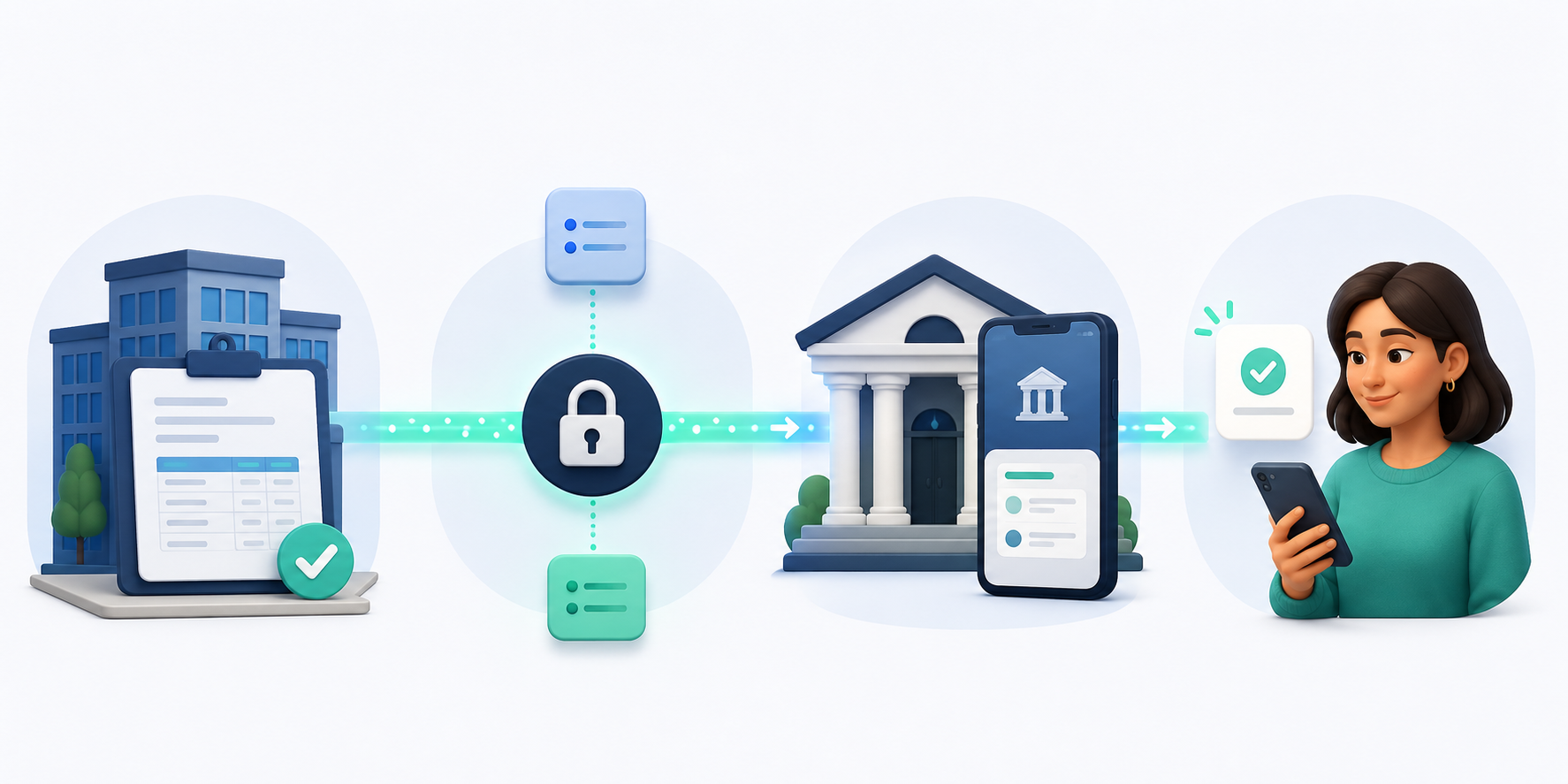
- Your employer runs payroll. The employer or payroll processor creates instructions for the upcoming paycheck.
- The payment enters the ACH system. The file travels through the electronic network used by U.S. banks and credit unions.
- Your bank receives advance payment information. Timing depends on the employer, payroll provider, ACH processing window, weekends, and holidays.
- The bank may post the credit early. Some institutions make their own funds available after receiving notice rather than waiting for final settlement.
Nacha, which administers the ACH Network rules, notes that some banks and credit unions advance their own funds when payroll information arrives before payday. This is why “up to two days early” is conditional rather than a promise.
Do not schedule essential payments solely on the expectation of an early paycheck. A late payroll file, holiday, processing issue, or ineligible deposit can move availability back to the regular payday.
Online Banks and Accounts That Offer Early Pay
The following examples are based on each institution’s published terms reviewed in September 2026. Features, eligibility rules, limits, fees, and account availability can change. Verify current disclosures before opening an account.
| Institution or account | Published early-pay feature | Deposit insurance | Important detail |
|---|---|---|---|
| SoFi Checking and Savings | Eligible direct deposits may arrive up to two days early. | SoFi Bank, N.A., Member FDIC | Timing depends on when notice of the payment reaches the bank. |
| Capital One 360 Checking | Eligible paychecks may be available up to two days sooner. | Capital One, N.A., Member FDIC | Eligibility can vary by pay period; some deposits and transfers do not qualify. |
| Varo Bank Account | Eligible employer and government deposits may arrive up to two days early. | Varo Bank, N.A., Member FDIC | Varo posts the deposit when it receives the payroll file; timing may differ each cycle. |
| Axos Essential Checking | Direct Deposit Express advertises access up to two days early. | Axos Bank, Member FDIC | The feature is tied to qualifying direct deposit on the eligible checking account. |
| Discover deposit accounts | Qualifying ACH deposits may be made available before final funds arrive. | Discover Bank, Member FDIC | Early Pay is discretionary, deposit eligibility varies, and transaction limits may apply. |
This is an educational comparison, not a ranking or endorsement. Product terms can change, and an account that is convenient for one household may be a poor fit for another.
What to Compare Beyond Getting Paid Early
Monthly fees and minimum requirements
A two-day head start may not offset a recurring maintenance fee. Review the fee schedule for monthly service charges, minimum balance rules, paper statements, out-of-network ATM use, cash deposits, wire transfers, and account closure. Direct deposit can sometimes waive a fee, but the required amount or deposit type may be narrowly defined.
FDIC or NCUA insurance
Confirm where the funds are held. The FDIC generally insures eligible deposits at an insured bank up to at least $250,000 per depositor, per insured bank, for each ownership category. Federally insured credit unions use NCUA coverage. If an app is not itself a bank, read its program disclosures to identify the partner bank and understand whether pass-through insurance requirements are satisfied.
ATM and cash access
An online account may have no branches. Check the size of its fee-free ATM network, ATM reimbursement policy, daily withdrawal limits, and whether cash deposits are supported. Retail cash-deposit services can carry fees even when the checking account has no monthly charge.
Overdraft and negative-balance rules
Read what happens if a payment arrives before your paycheck. Some banks decline transactions, some offer optional overdraft coverage, and others may temporarily cover a small negative balance for qualifying customers. Eligibility, transaction types, repayment expectations, and fees can differ.
Customer support and account recovery
Digital convenience matters until a transfer is delayed or a phone is lost. Compare support hours, secure messaging, telephone access, fraud controls, debit-card locking, replacement-card procedures, and the process for disputing an electronic transaction.
Benefits and Limitations
| Potential benefits | Important limitations |
|---|---|
| Earlier access can help cover groceries, transportation, or bills before the formal payday. | “Up to two days” is not guaranteed and may change from one pay cycle to another. |
| Direct deposit removes the need to deposit a paper paycheck. | New enrollment may take one or more payroll cycles to become active. |
| Some accounts combine early pay with low fees and useful mobile tools. | Transfers from another personal bank account usually do not count as payroll direct deposit. |
| Deposit alerts can make cash-flow tracking easier. | Spending early does not increase income and can shift the same cash shortage into the next pay cycle. |
How to Set Up Early Direct Deposit
- Open an eligible checking account. Review the account agreement, fee schedule, insurance status, and early-pay disclosures first.
- Find the routing and account numbers. Use the secure bank app or website rather than copying details from an unverified message.
- Update payroll instructions. Submit the information through your employer’s HR portal or approved direct-deposit form.
- Confirm the first deposit. Payroll changes can take one or more cycles. Keep your previous account open until the new deposit posts correctly.
- Turn on alerts. A deposit notification helps you know when funds are actually available instead of assuming an early date.
Common Mistakes to Avoid
- Treating early pay as extra money. It changes timing, not the amount of your paycheck.
- Budgeting around Wednesday instead of Friday. Use the official payday for fixed obligations so a timing change does not trigger a late fee or overdraft.
- Ignoring the full fee schedule. ATM, cash-deposit, wire, or overdraft costs may matter more than the early-pay feature.
- Confusing early direct deposit with an advance. A direct deposit advance is a loan or credit product that may carry fees; early posting of earned wages is different.
- Skipping insurance verification. Confirm the bank or credit union holding the money and the applicable ownership category.
This article is for general informational purposes only and does not constitute personalized financial, investment, tax, or legal advice. Account terms and deposit timing vary by institution, payer, and individual circumstances.
Frequently Asked Questions
Which online banks pay direct deposits early?
Examples include SoFi Bank, Capital One 360 Checking, Varo Bank, and Axos Essential Checking. Discover also describes Early Pay for qualifying ACH deposits. Always confirm the current account agreement because eligibility and timing can change.
Is an early direct deposit guaranteed to arrive two days early?
No. “Up to two days early” depends on when the payer sends instructions and when the bank receives them. A deposit may arrive two days early, one day early, or on the scheduled payday.
Does early direct deposit cost a fee?
Many banks advertise the feature without a separate fee, but the underlying account may have other charges or eligibility requirements. Review the complete fee schedule before opening an account.
Do tax refunds and bank transfers qualify for early direct deposit?
Not necessarily. Banks commonly limit early pay to recurring payroll, pension, or government-benefit deposits. Tax refunds, peer-to-peer payments, wires, and transfers from another personal account may be excluded.
What should I do if my paycheck does not arrive early?
Wait until the official payday, then confirm the payroll instructions with your employer and contact the bank if the deposit is still missing. Do not assume a delay means the funds are lost.
Bottom Line
Online banks with early direct deposit can improve short-term flexibility, but early access should be treated as a convenience rather than a guaranteed pay schedule. The strongest account choice is usually the one that combines clear terms, appropriate deposit insurance, low relevant fees, reliable support, and practical access to your money.
Before switching, compare the current account agreement and build recurring payments around your official payday.
References
- Consumer Financial Protection Bureau — Direct deposit funds availability
- Consumer Financial Protection Bureau — What is an ACH transaction?
- Nacha — The ABCs of ACH
- Federal Deposit Insurance Corporation — Deposit Insurance
- SoFi Bank — Early Paycheck disclosures
- Capital One — Early Paycheck
- Varo Bank — Early Direct Deposit
- Axos Bank — Direct Deposit Express
- Discover Bank — National Deposit Account Agreement