
Building Credit With Rent Payments: A Renter’s Guide
Building credit with rent payments can turn an expense you already pay into a record of responsible payment behavior—but only when that history reaches a credit bureau through a participating landlord or reporting service.
Building credit with rent payments is not automatic for most renters. Your lease payment may never appear on a standard credit report unless your property manager reports it or you enroll in a rent-reporting program. Even when rent is reported, the effect on a credit score depends on the information reported, the scoring model used, and the rest of your credit file.

Key Takeaways
- Paying rent on time does not usually build credit unless the payments are reported to one or more credit bureaus.
- Programs differ in fees, bureau coverage, payment verification, past-rent reporting, and treatment of late payments.
- A reported rental tradeline may help a thin credit file, but no service can guarantee a particular score increase or loan approval.
- Verify the new account on your credit reports and dispute incorrect dates, balances, or late-payment information promptly.
- Rent reporting works best alongside broader habits such as paying every obligation on time and keeping credit-card balances manageable.
What Is Rent Reporting?
Rent reporting is the process of sending verified rental-payment information to a consumer reporting company. The data may show the lease, monthly payment amount, payment status, and account history. Depending on the program, a landlord, property-management company, or renter-paid third party provides the information.
The Consumer Financial Protection Bureau explains that positive rental payments can help renters build credit when those payments are included in credit files. However, lenders choose which reports and scoring models to use. A rental tradeline visible on one bureau’s report may not appear on the other two, and an older scoring model may not consider rental data in the same way as a newer model.
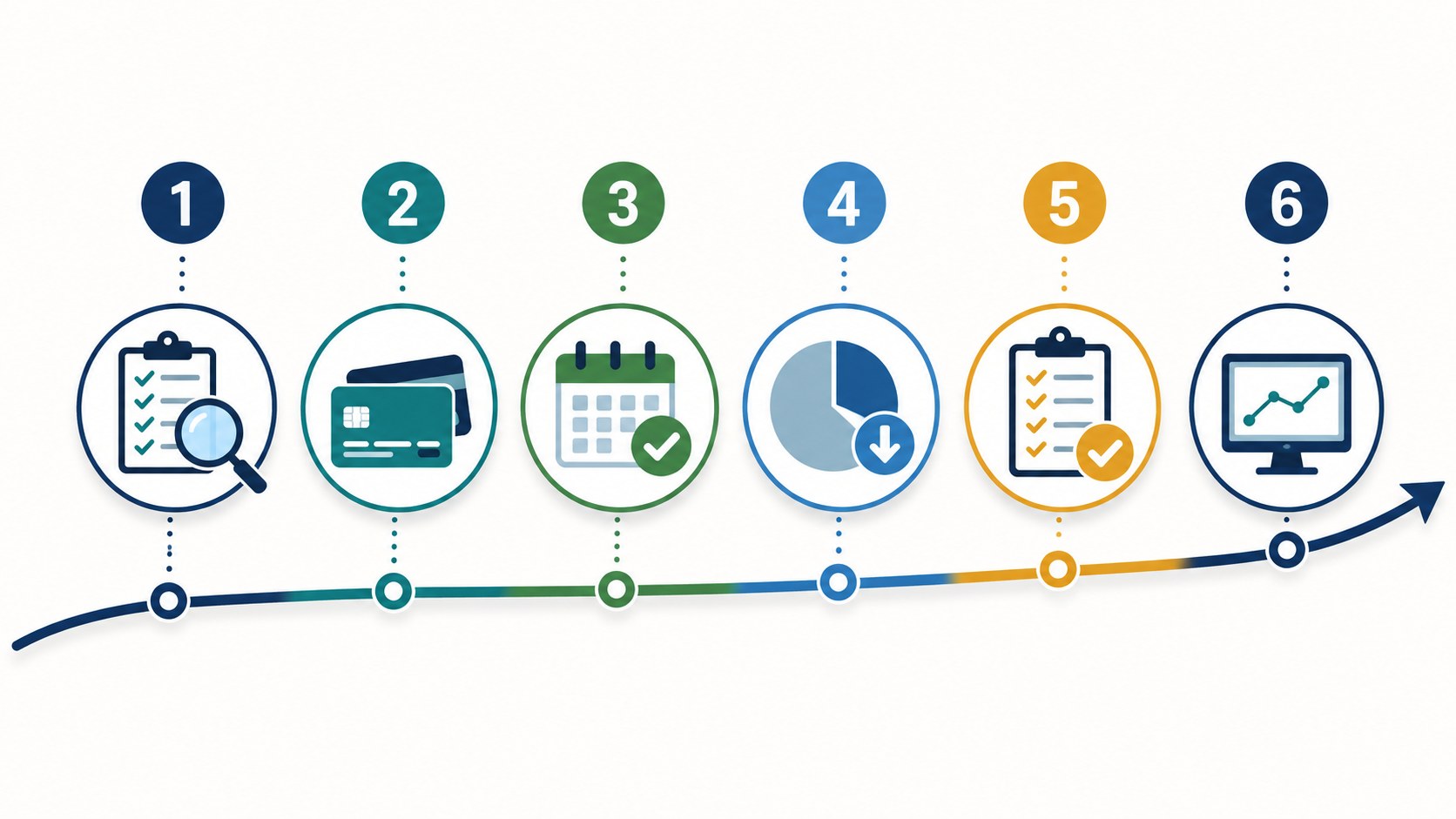
How Building Credit With Rent Payments Works
1. A program verifies your lease and payments
The reporting provider may connect with your landlord, property-management portal, bank account, or rent-payment platform. Read the authorization carefully so you understand what data will be collected and how payments are confirmed.
2. Payment data goes to participating bureaus
A provider may report to Experian, Equifax, TransUnion, or a combination of them. “Reports rent” does not necessarily mean “reports to all three.” Ask for the bureau list in writing and check whether the program reports only positive history or also late and missed payments.
3. The rental account may appear on a credit report
Reporting is not instant. The provider may need to verify the tenancy and complete its next monthly reporting cycle. Once enough time has passed, review each relevant report at AnnualCreditReport.com, the federally authorized source for free credit reports.
4. A scoring model decides whether and how to use it
Credit scores are calculated from report data, but scoring systems are not identical. Positive rent history can be useful, particularly when a renter has few traditional credit accounts, yet the same rental information may have little or no effect in a lender’s chosen model.
Three Common Rent-Reporting Options
| Option | Who starts it? | Possible cost | Main question to ask |
|---|---|---|---|
| Landlord or property-manager program | The housing provider enrolls the property, sometimes with tenant opt-in. | Free, subsidized, or charged to the renter. | Which bureaus receive data, and are late payments reported? |
| Renter-paid reporting service | The tenant enrolls and authorizes verification. | Setup, monthly, annual, or past-history fees may apply. | Can the service verify your specific landlord and payment method? |
| No reporting | No enrollment occurs. | No reporting fee. | Could another credit-building tool be more useful and affordable? |
Start by asking your landlord or property manager whether a program already exists. The CFPB recommends checking the terms and possible fees before enrolling. If your landlord does not participate, compare third-party providers carefully rather than assuming every service works with every lease.
What to Compare Before You Enroll
- Total cost: Add setup, monthly, annual, verification, and past-rent fees. Compare that total with your budget and the value of the service.
- Credit-bureau coverage: Identify exactly which bureaus receive reports. More coverage may improve visibility, but it still does not ensure a score change.
- Past-rent reporting: Some services can add eligible prior months; others begin only after enrollment. Ask how much history is available and what it costs.
- Late-payment policy: Learn whether the service reports only on-time payments, both positive and negative activity, or unpaid debt after a certain period.
- Verification method: Confirm that your landlord, bank, payment app, or property portal is supported before paying a nonrefundable fee.
- Cancellation and data handling: Review what happens to the tradeline and stored information after you cancel or move.
- Dispute process: Make sure there is a clear way to correct the payment amount, lease dates, address, or payment status.
A Step-by-Step Rent Credit Checklist
- Ask your housing provider first. Find out whether rent reporting is available, optional, and free or paid.
- Compare at least two routes. Review costs, supported bureaus, past-history options, and negative-reporting rules.
- Read the authorization. Understand access to bank or payment information and how consent can be withdrawn.
- Confirm your records. Make sure your name, address, lease dates, rent amount, and landlord information match your documents.
- Pay by the lease deadline. Schedule reminders and allow processing time. Keep receipts and screenshots of completed payments.
- Check your reports. After the provider’s stated reporting window, verify the tradeline on every bureau it claims to serve.
- Dispute errors. Contact both the reporting company and the data provider. Keep copies of your lease, statements, receipts, and correspondence.
Can Rent Reporting Hurt Your Credit?
It can create risk when late or unpaid rent is reported. The CFPB notes that unpaid rent may also reach consumer reports through a collection account or tenant-screening report. A reporting program’s policy matters: some emphasize positive payments, while others may transmit negative activity under specified conditions.
Even accurate rent data can have limited usefulness if it reaches only one bureau or if a prospective lender uses a score that does not include it. Inaccurate information is another risk. Review the account name, balance, dates, and payment status. The CFPB identifies mixed files, accounts belonging to another person, and incorrect late-payment information as common report errors.
Rent Reporting and Mortgage Applications
A history of paying rent may be relevant beyond a consumer credit score. The U.S. Department of Housing and Urban Development has guidance allowing positive rental history to be considered in certain FHA automated underwriting evaluations. That policy does not guarantee approval; mortgage eligibility still depends on income, debt, credit, funds, property requirements, and the lender’s underwriting.
If homeownership is a goal, keep rent records even when you do not use a reporting service. Bank statements, canceled checks, electronic receipts, and a landlord payment ledger may help document housing-payment history when a lender requests it.
Other Ways to Build Credit
Rent reporting can complement a broader plan. A secured credit card, a credit-builder loan from a reputable institution, or becoming an authorized user on a responsibly managed account may help establish traditional credit history. Compare fees and terms, and confirm that the issuer reports to the major credit bureaus.
Payment history is important, but so are balances, account age, account mix, and recent applications. Pay required amounts on time, keep revolving balances low relative to limits, avoid opening several accounts quickly, and never carry interest-bearing debt solely because you believe it helps a score.
If you are starting with little history, see MoneyVanta’s guide to building credit from scratch. If past collection accounts are part of the picture, review our building credit after collections guide.
Frequently Asked Questions
Does paying rent build credit automatically?
Usually not. On-time rent can help only when a landlord, property manager, or reporting service sends verified payment data to a credit bureau and the relevant scoring model considers that information.
How long does rent reporting take to appear?
Timing varies by provider, verification process, and bureau cycle. Ask for the expected first-reporting date, wait through the stated period, and then check the specific bureau reports the service claims to update.
Which credit bureaus accept rent payments?
Rent data may be furnished to Experian, Equifax, TransUnion, or some combination. Coverage depends on the provider, so confirm the bureau list before enrolling and verify the account afterward.
Can late rent payments hurt my credit?
Yes. A provider may report late payments under its terms, and unpaid rent can also appear through collections or tenant-screening records. Ask how lateness is handled before authorizing reporting.
Is a rent-reporting service worth the fee?
It depends on cost, bureau coverage, your credit file, and your goals. A low-cost service may be useful for a thin file, but there is no guaranteed score increase. Compare it with other affordable credit-building options.
Bottom Line
Building credit with rent payments may help make consistent housing payments visible, especially for renters with limited traditional credit history. The strongest approach is to verify the program, understand every fee and reporting rule, pay on time, and inspect the resulting credit reports for accuracy.
References
- Consumer Financial Protection Bureau, Does Late Rent Affect My Credit Score?
- Consumer Financial Protection Bureau, Ways to Start or Rebuild Credit History
- Consumer Financial Protection Bureau, How to Rebuild Your Credit
- Consumer Financial Protection Bureau, Common Credit Report Errors
- AnnualCreditReport.com, Free Credit Reports Authorized by Federal Law
- U.S. Department of Housing and Urban Development, Positive Rental History Policy for FHA Underwriting