Building Credit With Utility Payments: What to Know
Building credit with utility payments may be possible when eligible bills are added to a credit report, but ordinary on-time payments usually are not reported automatically.
Building credit with utility payments sounds straightforward: pay electricity, water, phone, or internet bills on time and receive credit for responsible behavior. In practice, most U.S. utility companies do not routinely report positive payments to all three nationwide credit reporting companies. You may need an optional reporting service or a lender that considers alternative data. Results depend on which bureau receives the data, which scoring model is used, and what the lender reviews.

- Most utility providers do not automatically send positive payment history to Equifax, Experian, and TransUnion.
- An opt-in service may add eligible payments to one or more credit files, but it cannot guarantee a score increase or lender approval.
- Check reporting coverage, fees, cancellation terms, data access, and which scoring models use the information.
- Late utility debt sent to collections may damage a traditional credit report even when on-time payments were never reported.
- Continue using core credit habits such as paying credit accounts on time and keeping revolving balances manageable.
Can Utility Payments Build Credit?
Yes, but only in specific circumstances. The Consumer Financial Protection Bureau says most utility companies do not provide regular positive payment history to the three nationwide credit reporting companies. If the provider or a consumer-permissioned service reports an eligible account, that information may become available to some credit-scoring models or lenders.
Credit reports and credit scores are different. A credit report is a record of reported accounts and payment activity. A score is a numerical prediction created from information in a report using a particular model. FICO and VantageScore offer multiple versions, and lenders choose which bureau, model, and other information to use. Therefore, a utility account appearing on a report does not mean every score or lender will consider it.
How Building Credit With Utility Payments Works
There are three common paths. First, a utility or telecom provider may furnish data directly to a nationwide or specialty consumer reporting company. Second, an optional service may obtain your permission to review a linked bank account and identify recurring eligible payments. Third, a lender may consider bank transaction data or other nontraditional records during underwriting even when the bills do not appear on a standard credit report.
The National Consumer Telecom & Utilities Exchange, or NCTUE, is a specialty reporting company that collects telecom and utility account information from participating members. A utility provider may use an NCTUE report when deciding whether to require a deposit. NCTUE is separate from the three nationwide credit bureaus, so information in that file does not automatically appear in every traditional credit report.
Utility Reporting Options Compared
| Reporting path | Potential benefit | Important limitation | What to verify |
|---|---|---|---|
| Direct provider reporting | No separate enrollment may be needed. | Many providers do not report positive payments to all nationwide bureaus. | Which bureau receives data and whether both positive and negative history are furnished. |
| Consumer-permissioned service | May identify eligible bills from a linked bank account. | Coverage, fees, eligible accounts, and score-model acceptance vary. | Cost, data permissions, supported bureaus, cancellation, and removal rules. |
| Specialty utility report | May help a utility assess deposit or service eligibility. | It is not the same as a standard nationwide credit report. | Whether the provider uses NCTUE or another specialty company. |
| Cash-flow underwriting | A participating lender may consider payment patterns directly. | The data may not build a reusable traditional credit history. | Which lender uses it, what data is reviewed, and how long access lasts. |
Steps for Building Credit With Utility Payments
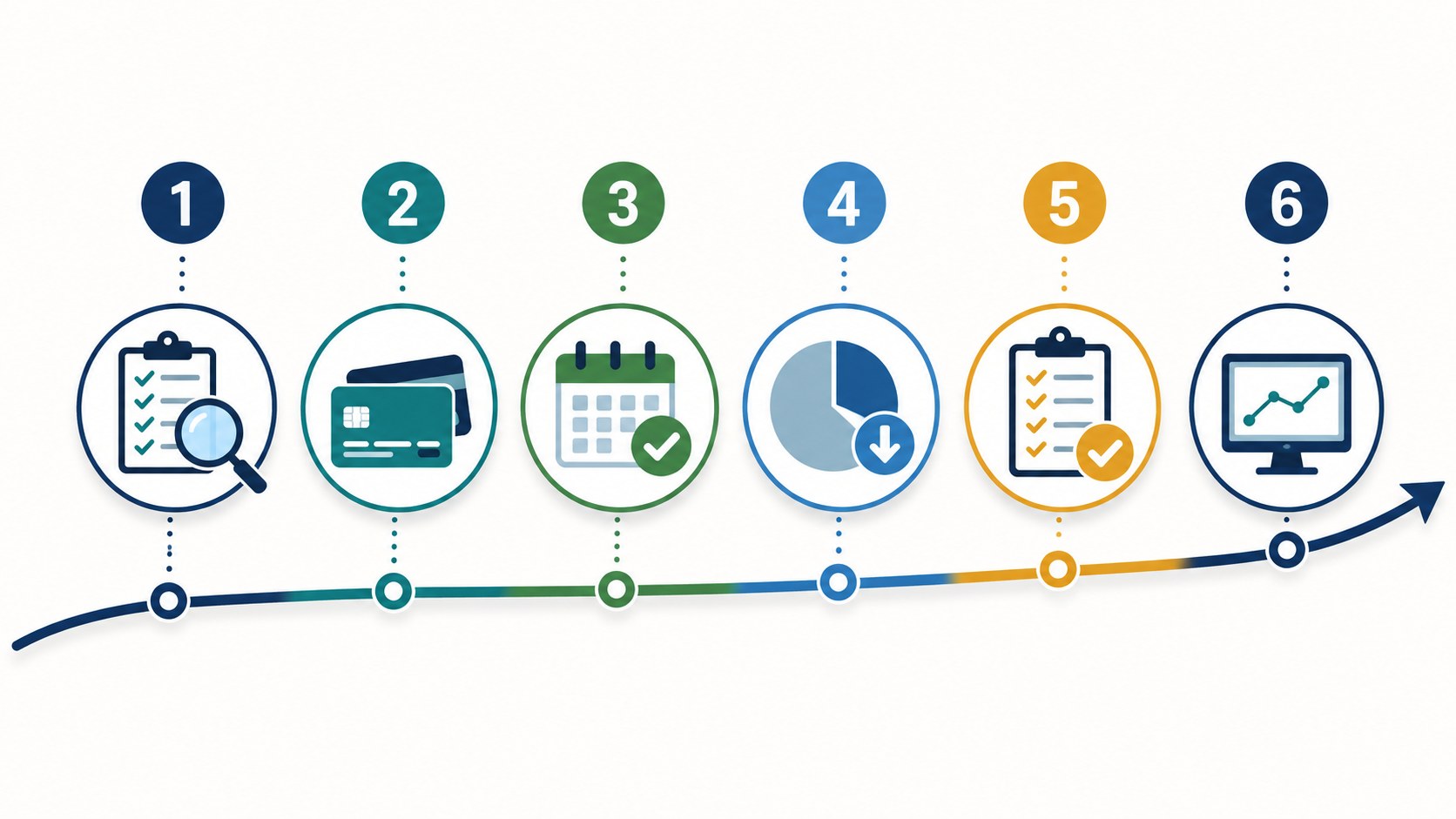
- Check your current reports. Use the federally authorized AnnualCreditReport.com site to review reports from Equifax, Experian, and TransUnion. Confirm whether any utility or collection account already appears.
- Ask the provider what it reports. Request a clear answer about positive payments, late payments, collections, the receiving bureau, and reporting frequency. Do not assume autopay equals credit reporting.
- Compare optional services. Review bureau coverage, eligible bills, monthly or one-time charges, bank-data permissions, dispute procedures, cancellation, and whether past payments can be added.
- Confirm account ownership. A bill generally needs to be in your name or otherwise meet the service’s eligibility rules. Paying a roommate’s account may not establish your history.
- Use payment safeguards. Set due-date alerts or autopay only when the funding account will have enough money. Autopay can reduce missed-payment risk, but overdrafts and failed payments remain possible.
- Verify after reporting. Allow the stated processing time, then check the relevant report. Dispute inaccurate or incomplete information with the reporting company and the business that supplied it.
- Keep broader credit habits in place. Pay all credit obligations on time, avoid unnecessary applications, monitor reports, and manage credit-card utilization. Utility reporting is a supplement, not a substitute.
Benefits and Limitations
Potential Benefits
- May add payment information for someone with a thin or limited credit file.
- Uses bills you already pay rather than requiring new debt solely for credit-building.
- May help a participating lender evaluate cash-flow behavior or nontraditional credit references.
- Can encourage payment reminders and more consistent bill management.
Important Limitations
- Not every utility, reporting service, bureau, score version, or lender participates.
- Some services report to only one or two nationwide credit bureaus.
- A score may rise, fall, or remain unchanged depending on the complete file and model.
- Fees can outweigh uncertain value, particularly when free credit-building tools are available.
- Linking a bank account can involve sharing transaction data; privacy and security terms deserve careful review.
- Removing a service may remove some added payment history, depending on the provider’s policy.
How Unpaid Utility Bills Can Hurt Credit
Even when a utility company does not report monthly on-time payments, an unpaid balance may be assigned or sold to a collection agency. The CFPB states that utility debt sent to collections will most likely appear on one or more nationwide credit reports. A collection can affect credit decisions, and the underlying service may also be disconnected subject to state and local rules.
If you cannot pay, contact the provider before missing the due date. Ask about payment arrangements, hardship programs, due-date changes, and state or local consumer protections. Get the terms in writing and ask how the arrangement will be reported. A payment plan does not necessarily erase previous lateness.
Do not ignore a collection notice. Verify that the debt belongs to you, review the amount and dates, and use your rights under federal and state law. If information is inaccurate, dispute it with the consumer reporting company and the furnisher. Serious disputes or threatened legal action may justify help from a qualified consumer attorney or reputable nonprofit credit counselor.
Protect Your Data Before Using a Reporting Service
A consumer-permissioned service may request access to bank transaction data so it can identify recurring bills. Before connecting an account, read what information is collected, how long it is retained, whether it is shared, how authorization can be revoked, and what happens after cancellation. Use a unique password and multifactor authentication when available, and never provide credentials through an unsolicited message.
Confirm that the company explains dispute rights and customer support. Avoid any service promising a guaranteed number of points, instant approval, a “new credit identity,” or removal of accurate negative information. The Federal Trade Commission warns that legitimate credit repair cannot lawfully erase accurate, current negative information simply because it is inconvenient.
Alternatives That May Build a Broader Credit File
If utility reporting is unavailable or too expensive, consider other approaches that more commonly reach nationwide credit reports. A secured credit card can report monthly activity when the issuer reports to the bureaus, but it requires a refundable deposit and responsible use. A credit-builder loan may place borrowed funds in a locked account while payments are reported; review interest and fees first. Becoming an authorized user may help in some cases, but results depend on the account, issuer reporting, and scoring model.
Whatever method you choose, payment history and revolving balances remain important. Pay at least the minimum by the due date, preferably the statement balance when affordable, and keep card balances low relative to limits. Review MoneyVanta’s guide to building credit with rent payments and building credit after collections for related strategies.
Common Utility Credit-Building Mistakes
- Assuming every on-time bill automatically reaches all three nationwide credit bureaus.
- Paying for a service without checking bureau coverage or eligible bill types.
- Expecting the same result across every FICO and VantageScore version.
- Linking a bank account without reviewing data-use and cancellation terms.
- Letting autopay cause an overdraft or failed payment because the balance was too low.
- Ignoring a final bill after moving, closing an account, or changing providers.
- Disputing accurate information instead of addressing the underlying balance.
Frequently Asked Questions
Do electricity bills build credit automatically?
Usually not. Most U.S. utility providers do not routinely report positive monthly payments to all three nationwide credit reporting companies. Ask the provider exactly what it reports and consider optional reporting only after checking fees and coverage.
Can phone and internet bills help my credit score?
They may help when eligible payments are added through a participating provider, permissioned service, or lender’s alternative-data process. Whether they affect a score depends on the bureau, scoring model, and lender.
Can a late utility payment hurt my credit?
A late bill may not appear immediately, but an unpaid balance sent to a collection agency will most likely appear on one or more nationwide credit reports. Contact the provider early if payment is difficult.
How fast can utility payments change a credit score?
There is no universal timeline or guaranteed change. Reporting time, account eligibility, the contents of the credit file, and the scoring model all matter. Verify that the information appears before evaluating any effect.
Is paying for utility reporting worth it?
It depends on the price, bureau coverage, privacy terms, eligible history, and the score or lender you are targeting. Compare the annual cost with free options and do not pay based on a promised score increase.
Building Credit With Utility Payments: Bottom Line
Building credit with utility payments can add useful information for some consumers, especially those with limited traditional credit history. It works only when the data reaches a relevant report or underwriting system, and no service can guarantee a particular score or approval.
Verify reporting coverage, costs, privacy terms, and dispute procedures before enrolling. Keep every utility account current to reduce collection risk, and combine any alternative-data strategy with established credit habits.
References
- Consumer Financial Protection Bureau, Does My Utility Payment History Go in My Credit Report?.
- Consumer Financial Protection Bureau, National Consumer Telecom & Utilities Exchange.
- Federal Trade Commission, Getting Utility Services: Why Your Credit Matters.
- Consumer Financial Protection Bureau, What Is a Credit Report?.
- Federal Trade Commission, Fixing Your Credit: FAQs.
- AnnualCreditReport.com, Request Your Free Credit Reports.