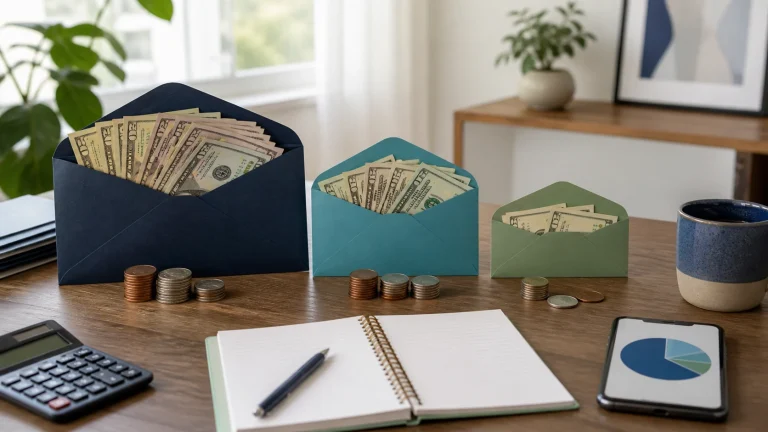
Zero-Based Budget Template for Single Parents: Get Started
Budgeting & Saving
Give Every Dollar a Purpose—Without Losing Flexibility
A practical zero-based budget template for single parents, built around essentials, real family costs, and a plan you can adjust as life changes.
For a single parent, a budget needs to do more than look organized. It needs to make room for rent, groceries, child care, transportation, school costs, savings, and the surprises that arrive at the worst time. A zero-based budget template for single parents gives every dollar of reliable income a specific job before the month begins.
“Zero” does not mean emptying your bank account. It means your income minus the amounts intentionally assigned to spending, savings, and debt payments equals zero on paper. The goal is clarity: you decide where each dollar goes instead of wondering where it went.

A zero-based budget starts with a realistic plan for the money you can count on.
Key takeaways
- Zero-based budgeting assigns every reliable dollar to a purpose: essentials, future costs, debt, savings, or flexible spending.
- Start with after-tax income you can count on; treat irregular income and tax refunds carefully until they actually arrive.
- Build categories for less-frequent costs—school supplies, car repairs, co-pays, and annual bills—before they become emergencies.
- Review the plan weekly. Reassigning a category is normal; the budget is a tool, not a test.
What is zero-based budgeting?
Zero-based budgeting is a written spending plan in which you allocate expected income across categories until nothing is left unassigned. Consumer.gov describes a budget as a written plan for how you will spend money each month; this method adds one useful rule: every dollar gets a role.
Some categories may receive $0 in a given month. What matters is that the total plan matches the money available, and that you update the plan when income or expenses change.
Why it can work for single-parent households
Single-parent finances often carry a high share of non-negotiable costs: housing, food, child care, transportation, insurance, healthcare, and debt minimums. A single parent budget template makes tradeoffs visible early, before due dates arrive. It can also protect future-you: yearly school expenses and car repairs become smaller planned sinking-fund contributions rather than surprise crises.
How to make a zero-based budget in 7 steps
1. Budget for your real pay cycle
Budget by calendar month or from one paycheck to the next—whichever matches when income and bills actually land.
2. List reliable after-tax income
Use take-home pay and income you reasonably expect during the period. If support, overtime, freelance work, or benefits vary, build the base plan using a conservative amount. Assign extra money only after it arrives.
3. Fund essentials first
Start with housing, utilities, groceries, healthcare, child care, transportation, insurance, and minimum debt payments.
4. Add irregular expenses before they are due
Create sinking funds for school clothing, gifts, annual premiums, car maintenance, activity fees, and co-pays. Estimate the total, then divide it by the months or paychecks remaining.
5. Give savings a line in the budget
A starter cash buffer is a category, not an afterthought. Even a modest amount can reduce pressure when a bill is higher than expected.
6. Set realistic flexible-spending limits
Include personal spending, kids’ activities, eating out, and household extras. A plan that ignores normal life is harder to follow.
7. Check in weekly and reassign
Compare the plan with actual transactions. If groceries run over, reduce or move money from another category before spending it. That is the core habit of zero-based budgeting.

A short weekly review can keep a family budget aligned with real spending.
Copy this zero-based budget template for single parents
Use these categories as a starting point. Add, remove, or rename categories for your family. Your final income and allocation totals should match.
| Category | Planned amount |
|---|---|
| Reliable income (take-home pay, predictable support/benefits, received side income) | $________ |
| Total income available | $________ |
| Housing and utilities | $________ |
| Groceries and household supplies | $________ |
| Child care, school, and kids’ needs | $________ |
| Transportation | $________ |
| Insurance, healthcare, and medications | $________ |
| Minimum debt payments | $________ |
| Starter emergency buffer | $________ |
| Sinking funds for irregular expenses | $________ |
| Extra debt payment or long-term savings | $________ |
| Personal, kids’ fun, and flexible spending | $________ |
| Miscellaneous | $________ |
| Income minus all planned allocations | $0 |
Tip: A category can be $0 if it is not relevant this month. The point is to make every planned dollar visible.
Example: a $4,200 monthly plan
Here is an illustration of how a monthly budget for a single parent could add up. These amounts are examples only—not recommended targets.
| Allocation | Example amount |
|---|---|
| Housing and utilities | $1,620 |
| Groceries and household supplies | $620 |
| Child care and school | $350 |
| Transportation | $360 |
| Insurance and healthcare | $280 |
| Minimum debt payments | $250 |
| Starter cash buffer | $250 |
| Sinking funds | $250 |
| Personal and kids’ flexible spending | $150 |
| Miscellaneous | $70 |
| Total allocated | $4,200 |
When the numbers do not work yet
Sometimes the first version reveals a real gap. Start by protecting immediate needs and minimum obligations. Then look for categories you can pause, reduce, negotiate, or spread out. If a payment may be difficult, contact the provider early. Do not assume an expected refund, bonus, or irregular payment will solve a current-month shortage; give it a purpose only after it arrives.
Tax credits and variable income: plan carefully
Eligible parents may qualify for tax benefits that change from year to year. Because eligibility, income limits, and filing situations vary, use current IRS guidance rather than building a monthly budget around an estimated credit. The same conservative approach helps with irregular support, overtime, commissions, and gig income.
Common mistakes
- Using gross pay instead of the money that reaches your account.
- Leaving out annual or seasonal costs because they are not due this month.
- Making flexible categories unrealistically small.
- Counting income before it has actually been received.
- Never checking the plan against real transactions.
Financial information disclaimer
This article is for general educational purposes only and is not personalized financial, tax, legal, credit, or investment advice. Consider your own circumstances and use qualified professionals or official agency guidance when making important decisions.
Frequently asked questions
How do I start a zero-based budget with irregular income?
Build your baseline using the lowest reliable income you expect, then cover priorities first. When additional income arrives, assign it then instead of spending it in advance.
Should savings be included in a zero-based budget?
Yes. Savings, a starter emergency buffer, and sinking funds are all intentional jobs for money, so they belong in the plan.
What expenses should single parents prioritize?
Start with housing, utilities, food, healthcare, child care, transportation, insurance, and minimum debt payments.
How often should I update my zero-based budget?
A quick weekly review is practical for many households. Update it whenever income changes or an essential expense comes up.
Is zero-based budgeting the same as having no money left?
No. It means every dollar is assigned on purpose. Savings and future expenses can have categories, so the budget can reach zero while your account holds money for planned goals.
Short bottom line
A zero-based budget gives single parents a clear plan for money coming in and the needs ahead. Start with reliable income, fund essentials first, reserve something for future costs, and revisit the plan often enough to keep it useful.
Save this guide as a starting point for your next budget check-in.
Make your next dollar intentional
Open a note, copy the template, and assign the money you already expect to receive. A small first version is more useful than waiting for a perfect one.